
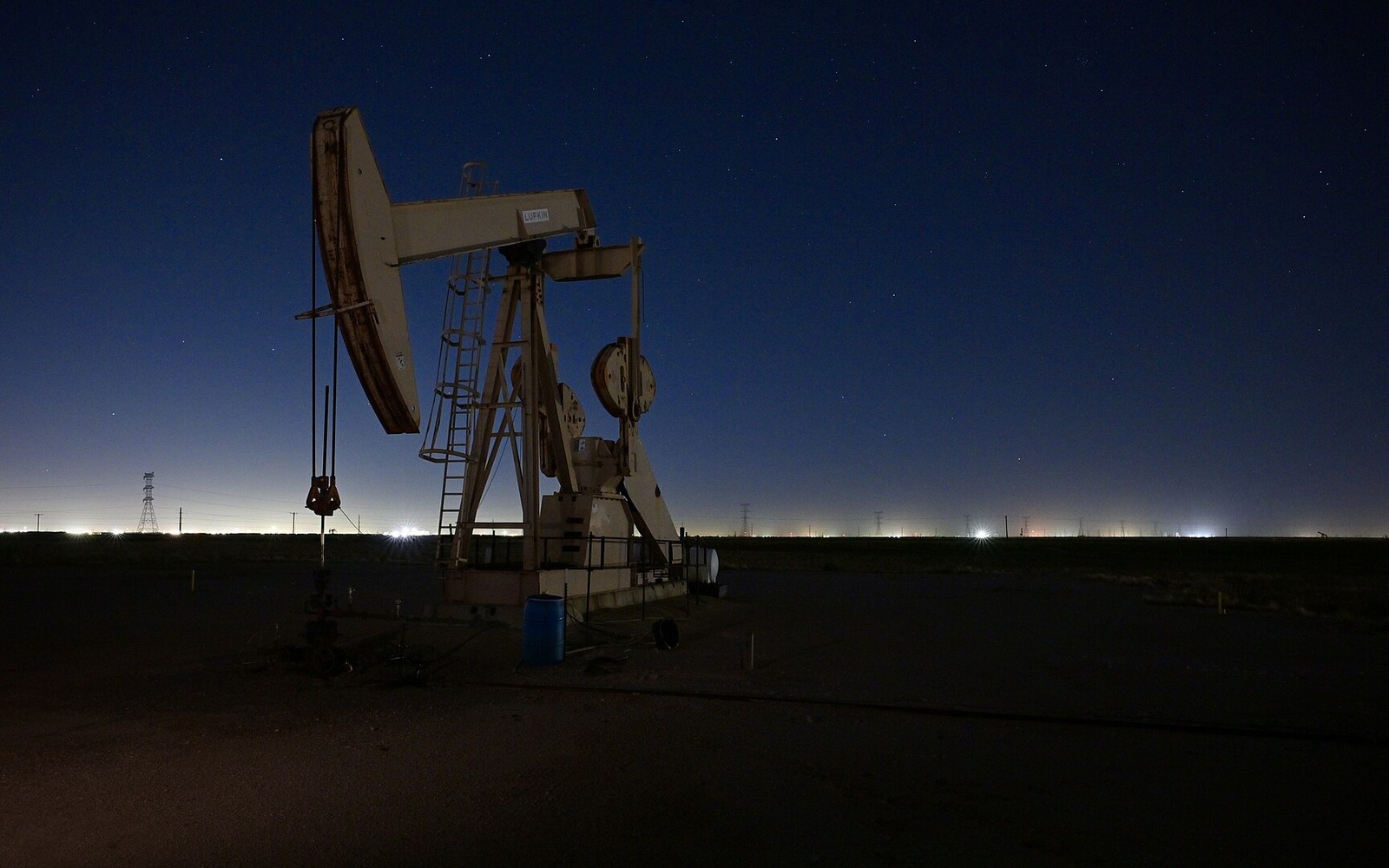
Midland Basin Mineral Rights
Midland Basin acreage often carries a mix of old vertical wells still producing a trickle and newer horizontal wells producing the bulk of the check, and telling those two apart matters before you sell.
The Midland Basin, the eastern half of the Permian complex centered around Midland and Odessa, Texas, has been drilled since the 1920s, which means many mineral owners here inherited an interest that's been generating royalty income, in some form, for two or three generations. What changed over the last fifteen years is the shift from vertical wells spaced widely apart to dense horizontal development in the Wolfcamp and Spraberry intervals.
That history matters when you're reading your own check and deciding whether to sell. A tract that's been held by production from a single old vertical well for decades behaves very differently, and is valued very differently, than one where a horizontal well was completed last year and is still in its first steep decline.
Legacy vertical production versus modern horizontals
Older vertical wells in the Midland Basin tend to decline slowly and can keep producing small but steady volumes for decades after the initial completion, sometimes referred to informally as stripper production once volumes drop low enough. If your family's royalty has been a modest, fairly consistent monthly amount for years, it's likely coming from this kind of legacy well, and its future value is tied mostly to how much longer it stays economic to operate rather than to a steep decline curve.
Horizontal wells completed in the last decade behave completely differently: a strong initial rate, a sharp first-year drop of 60 percent or more, then a long lower-volume tail. If your check has recently spiked and started falling fast, that's very likely new horizontal development on or near your tract, not the old vertical well suddenly changing behavior.
Why your tract might have both
It's common in the Midland Basin for a single mineral tract to have both an old vertical wellbore, sometimes still producing, sometimes plugged, and a much newer horizontal well drilled through the same section at a different depth or spacing. Your combined royalty statement may show contributions from both, which can make the overall trend harder to read than a single clean decline curve.
When that's the case, ask your operator or check the state regulatory database for well-level production if it's available, so you can separate what's coming from the legacy well versus the new horizontal. That separation matters if you're negotiating a sale, since a buyer will typically be far more interested in the horizontal well's remaining curve than in a marginal vertical well nearing the end of its economic life.
Infill drilling and remaining upside
Because the Midland Basin has a long production history, much of the core acreage has already seen at least one round of horizontal development, but operators continue infill drilling, adding wells between existing horizontals to capture reserves the initial spacing left behind. If your section has only one or two horizontal wells so far in an area where four to six per section has become typical, there may be real upside left in additional locations.
That upside is exactly the kind of thing a trailing-production-only valuation misses. If you suspect your acreage is underdeveloped relative to what neighboring sections show, it's worth flagging that when discussing a sale, since it may support keeping a portion of the interest, or negotiating on a broader set of comparables than your check history alone.
Deciding whether now is the right time
For legacy vertical-well royalty with decades of slow, steady production, the decision to sell often comes down to personal circumstances, estate simplification, or wanting to convert a small recurring check into a lump sum, rather than timing a market. There's rarely a dramatic decline event to watch for; the curve is already flat and low.
For newer horizontal-well royalty, timing matters more. Selling shortly after a well is completed, while it's still on the steep part of the curve, generally captures a different price than selling once it's settled into its long tail, since a buyer is pricing the remaining recoverable volume either way. Comparing your check trend against what's happened on comparable Midland Basin wells nearby can help set realistic expectations before you talk to a buyer.
Royalty owner questions
Questions Owners Ask at This Stage
your family has owned this Midland Basin royalty for decades. Is it still worth anything?
Often yes. Legacy vertical wells here can keep producing small, steady volumes for a very long time, and even modest ongoing production has value, particularly if there's also horizontal drilling potential still available on the same tract.
How do you know if your check is from an old well or a new horizontal?
Check well-level production records through the state regulatory database if your operator doesn't break it out on your statement, or ask your division order analyst directly. A recent sharp spike followed by fast decline points to a new horizontal; a long, flat, modest amount points to a legacy vertical.
What is infill drilling and why does it matter to you?
Infill drilling means adding more horizontal wells between existing ones on the same section to capture reserves the original spacing missed. If your tract has fewer wells than what's typical in your area, there may be additional locations still to be drilled, which adds future value beyond what your current check reflects.
Is it better to sell before or after a new horizontal well is completed near you?
There's no single right answer, but selling while a well is still on its steep early decline versus after it settles into a long tail changes the pricing conversation, since a buyer is estimating remaining recoverable volume in either case. Comparing your trend to nearby wells helps set expectations.
Can you sell just the legacy vertical-well royalty and keep the horizontal upside, or the reverse?
In some cases interests can be split by depth, formation, or wellbore, though it depends on how your title and lease are structured. It's worth raising this specifically if you want to keep exposure to future horizontal drilling while monetizing the older, more predictable production.
Related royalty guides
PUT THE CURVE BESIDE THE OFFER
Send the county and state, operator or payor, owner name, recent statement, and the question behind the review.