
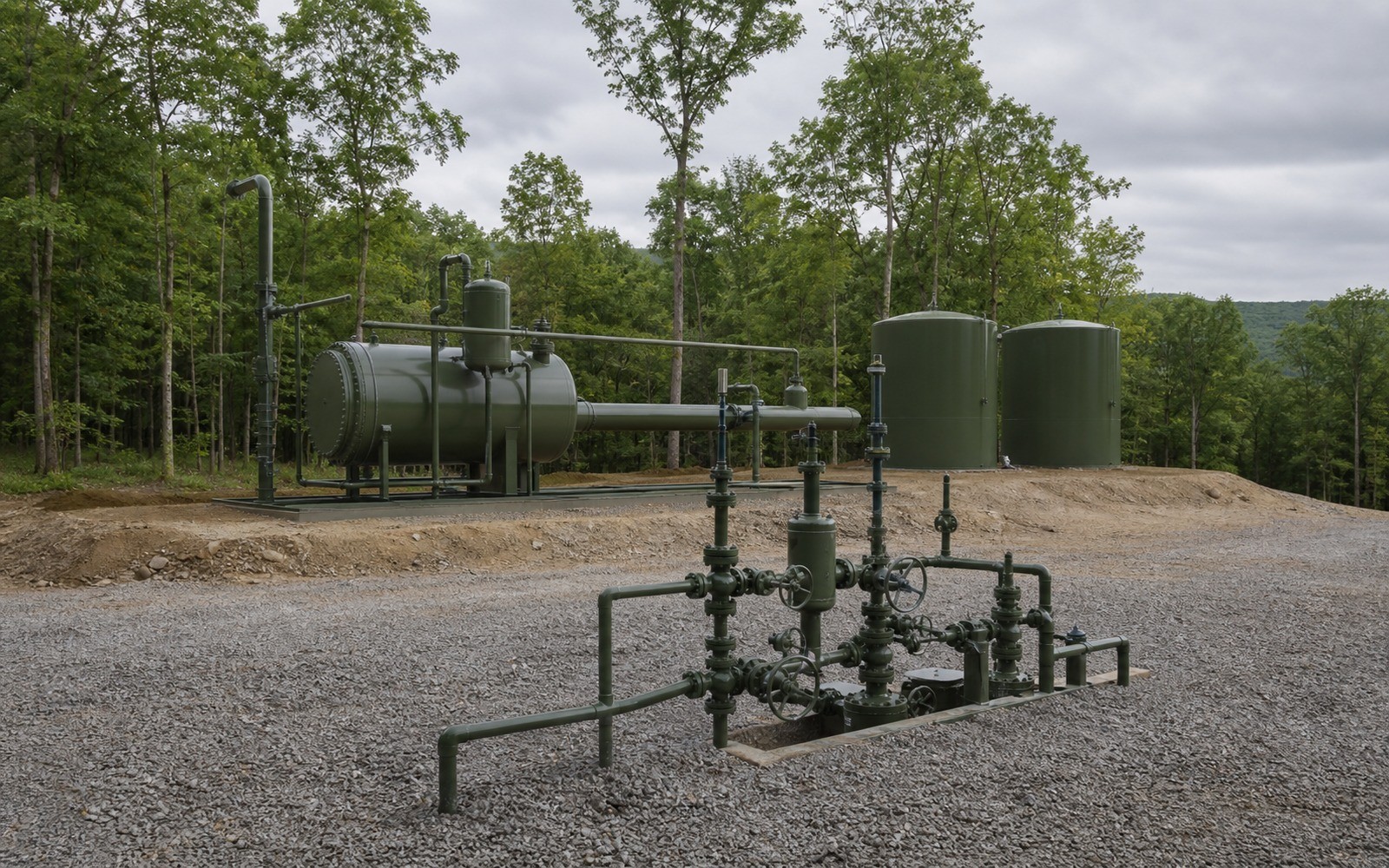
The Real Risks of Mineral Investing
Start The Real Risks of Mineral Investing with the cash-flow line
A royalty review should begin with actual net deposits, not a headline about passive income. Gather at least twelve months of statements when available and split the total by well, product, volume, realized price, deductions, taxes, and decimal interest. A new horizontal well can produce a large early check and then decline sharply; a mature conventional well may be smaller but steadier. Those are different income shapes even when the latest deposit is identical. Plot the months before applying a multiple. Then mark downtime, new completions, workovers, and price changes so one unusual period does not distort the base case. This first pass answers whether the income is concentrated in one young well, diversified across several tails, or dependent on an event that may not repeat.
Separate the curve from the commodity
Production decline and oil price movement are separate risks. Volume can fall while the check rises because price improved, or volume can hold while the check falls because realized price weakened or deductions increased. Build at least three views: a production-only curve, a price-and-netback view, and a combined cash-flow view. The production view shows reservoir and operating behavior. The netback view shows what remains after transportation, gathering, processing, taxes, and other allowed charges. The combined view shows what actually reaches the owner. Keeping the three views separate prevents a temporary price rally from being mistaken for improved well performance and prevents a weak price month from being mistaken for a mechanical problem.
Price concentration and undeveloped upside
A mineral package can contain producing royalty, undeveloped minerals, multiple operators, several formations, and tracts spread across more than one county. The package needs each source identified before risk is summarized. Producing royalty is modeled from existing well history. Undeveloped value depends more on permits, nearby completions, operator inventory, spacing, and the chance that a future well reaches the tract. Concentration matters at every level: one operator, one pad, one commodity, one county, or one early-life well can dominate the result. A clear review states which part of the value is supported by current checks and which part depends on development that has not occurred.
Turn the review into a decision rule
The last step is not a prediction stated as certainty. It is a decision rule. Define the amount of near-term cash needed, the income an owner is willing to keep exposed to decline and price, the portion of undeveloped upside worth retaining, and the records still missing. Compare a hold case, partial-sale case, and full-sale case on the same assumptions. Note what would change the choice: a new permit, a division-order correction, a title issue, a price threshold, or another year of production history. That structure makes the tradeoff visible without pretending the future path of oil prices or operator activity is known.
Related royalty guides
PUT THE CURVE BESIDE THE OFFER
Send the county and state, operator or payor, owner name, recent statement, and the question behind the review.